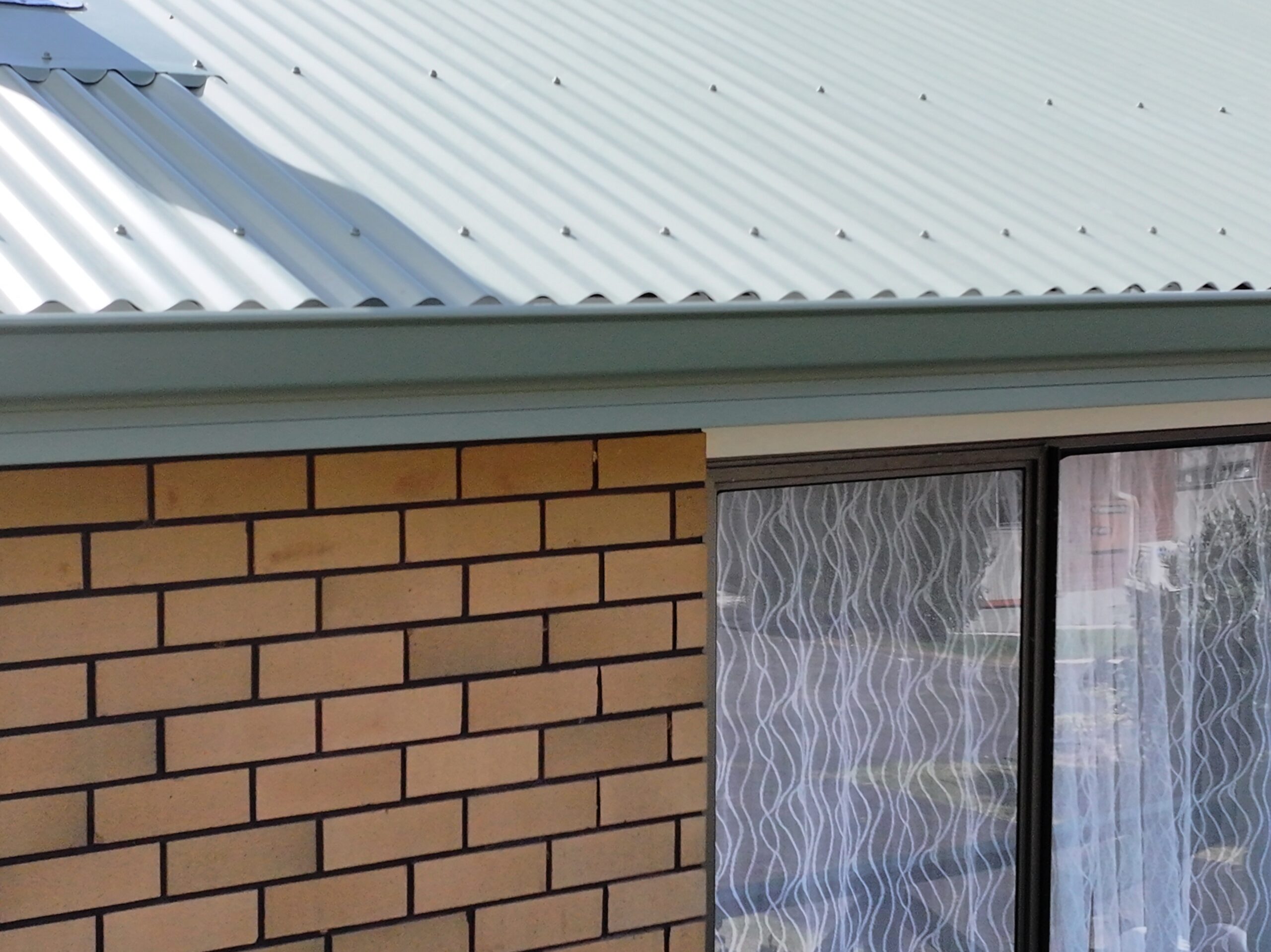
Internal gutter systems were once a popular design choice for homes, but over time, many homeowners experience ongoing issues such as leaks and poor drainage. If you’re dealing with these issues, it may be time to consider a gutter conversion.
Common Issues with Internal Gutters
One of the most frequent problems with internal gutters is poor water flow. Over time, as your home naturally settles and shifts, the fall (or slope) of the gutter can change. When this happens, water no longer drains efficiently and begins to pool in certain areas.
This pooling can lead to:
- Water overflowing into the ceiling cavity
- Increased risk of internal leaks
- Structural damage over time
Another common issue is rust. When water sits in the gutter due to poor drainage, it accelerates corrosion, especially in older systems which leads to deterioration and eventual failure.
Why Do Internal Gutters Cause So Many Issues?
The core problem lies in how internal gutter systems are designed. They are continuous and fixed within the fascia, meaning they cannot be easily adjusted.
Because the system is fully integrated:
- You cannot alter the level (fall) of the gutter
- You cannot improve water flow without major work
- Replacing the gutter “like-for-like” will not solve the underlying issue
In short, if the fall is wrong, it stays wrong. This is why internal gutters are prone to ongoing problems and repeated repairs.
Can Water Flow and Levels Be Fixed?
Unforutnately, no they cannot.
Since the gutter is built into the fascia system, adjusting the level is not possible without removing the entire system.
It is important to note that if you replace the gutter with the same internal design, the fundamental issue remains. You still cannot change the fall to improve drainage.
The only effective solution is to remove the internal system entirely and replace it with an external system. This is why gutter conversions are a popular choice for homeowners with internal gutter issues.
What Are the Replacement Options?
The most reliable and widely recommended option is a gutter conversion to an external spouting system.
This involves removing the internal gutter and installing a new external system that allows for proper fall and efficient water flow. External systems are far more accessible, easier to maintain, and significantly less prone to hidden leaks.
Replacing your existing internal gutter system with a newer system or different brand isn’t an appropriate replacement option, as it will not resolve leak issues, as the fall (slope) of the gutter will remain unchanged.
Which Option Is Best?
Because replacing your internal gutter system with a newer or different brand does not resolve the underlying issues, a full conversion to an external gutter system is the most effective long-term solution
Converting your spouting to an external system eliminates the limitations of internal gutters and provides a system that can be correctly installed with proper fall, ensuring water drains away from your home as intended.
Will I Need Scaffolding?
In many cases, yes.
If your gutters are positioned above a single storey, scaffolding with proper working platforms will be required. This ensures installers can safely access all areas and complete the work to a high standard.
Will My Soffit Need to Be Modified?
This depends on whether you are replacing your roof at the same time.
If you are replacing your roof:
No soffit modifications are required. The roof installer can extend the roofline so that water flows seamlessly into your new external guttering system.
If you are not replacing your roof:
There are two options:
- Cut the soffit back by approximately 60mm to allow space for a new fascia to be installed.
- Install a custom external system with a fascia designed to fit your existing soffit line.
Both options are effective, and the right choice will depend on your home and project scope.